
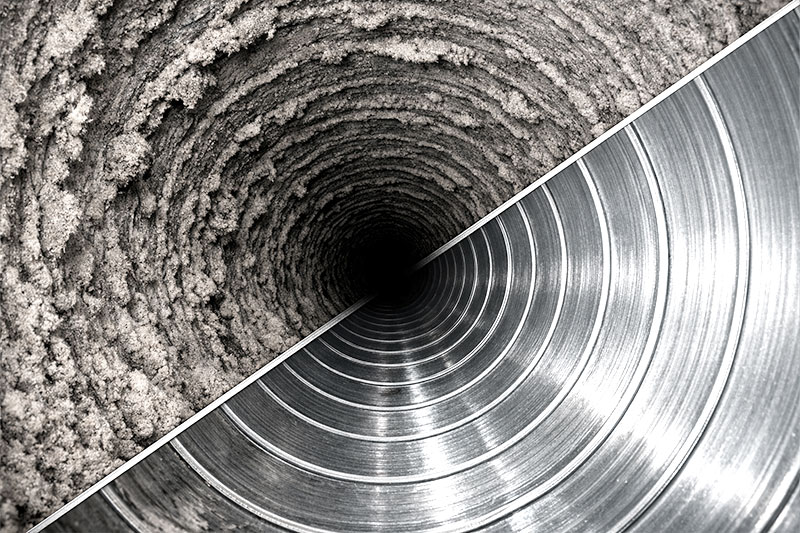
Vent covers are easy to overlook. Painted ones blend into the ceiling and look tidy from the floor. Then one room never cools quite right, the grille collects dust along its edges, or nobody can remove the cover without tearing the paint. Rusty or stained covers raise similar questions. This page covers what paint does to airflow, what rust and staining can mean and how to clean, loosen or replace a cover.
How paint affects airflow
A cover has openings sized to let supply air into the room or return air back to the system. Paint on the blades and slots narrows those openings. One thin coat may do little, and several coats can change the shape of the grille enough to restrict airflow. This is clearer on older metal covers with narrow slots. Paint can bridge small gaps and lock an adjustable damper partly closed, so a room gets less air while the thermostat and AC are working.
A weak vent does not always mean a dirty duct behind it. Sometimes the cover is the bottleneck. Check the grille before assuming the problem is deeper.
Painted in place
Many covers are painted without being removed, because it is faster. The paint then bonds the edges to the ceiling or wall. When someone removes the cover later, the paint film tears, ceiling texture comes loose, drywall paper peels and screw heads strip because paint filled the slot. A small cleaning task becomes a paint and drywall repair. Painted-over screws slow the job and raise the chance of damage.
Rough painted surfaces also hold dust. Brush marks, roller texture and thick edges catch it, and airflow turns it into gray streaks or dark edges around the grille.
Signs a cover is restricting air
- The room feels warmer or stuffier than similar rooms.
- Airflow is weak compared with nearby vents.
- The slots look narrowed or partly filled with paint.
- The damper lever does not move or is painted shut.
- Dust builds heavily on the grille face or frame.
- The cover looks sealed to the ceiling or wall, or the screw heads are buried in paint.
These signs do not prove a larger duct problem. They mean the cover should be dealt with first.
Rust and dust staining
Rust on a vent cover is a clue, not a diagnosis. Metal grilles age and paint fails, and bathrooms, laundry rooms and kitchens are harder on covers. Rust does usually mean moisture has been present. Where it appears helps. Rust along the lower edge of a ceiling grille can mean condensation, which forms when cold supply air meets warm, humid room air near a metal cover. Rust around the screw heads may just be aging metal. Rust with soft drywall, bubbling paint or active dripping needs more attention than a cosmetic stain, and a leak or drain problem belongs with an HVAC contractor, not a cleaning visit. In coastal homes, salt air can add to it (see salt air and your AC).
Dust stains show up as gray or brown marks on the blades, around the frame or on the ceiling nearby. In supply vents, the staining follows the airflow. A return grille is usually covered more evenly because air is always being pulled through it. The filter is the first thing to check. If it is the wrong size, bent, loose or overloaded, dust bypasses it and collects on the covers. Cooking residue, laundry lint and remodel dust can also contribute. The question is whether the cover is collecting normal dust, or the same grille keeps getting dirty faster than the others.
Clean, loosen or replace
- Turn the system off before removing covers.
- Score the paint edge carefully if the cover is sealed, so the surrounding paint does not tear. Do not yank it. Support the grille so it does not fall.
- Use the right screwdriver and avoid stripping painted screw heads.
- Clean it with a brush and vacuum for dust, or mild soap and water, then dry it completely before reinstalling. A damp metal grille stains again.
- Look behind it. Dust on the grille is visible, but dust or debris inside the boot is easy to miss. If there is loose debris or heavy buildup behind the vent, cleaning only the cover is cosmetic.
- Check the damper on adjustable registers before reinstalling. A clean grille with a stuck damper is still restricted.
If paint is blocking the slots, cleaning alone will not restore airflow. The cover may need to be stripped and repainted off the wall in thin coats, or replaced. Replacement is often the cleaner choice when a cover is rusty, bent, heavily coated or frozen shut. A badly corroded cover can be cleaned for looks, but it keeps its finish damage.
Why this matters before a duct cleaning
Duct cleaning works best when covers can come off and go back on cleanly. If they are painted shut, access is limited. If paint partly blocks the openings, airflow can still feel poor after the ducts are cleaned, and it may look as though the cleaning failed when the cover was part of the problem. We clean vent covers and the accessible duct openings. Duct cleaning starts at $245. See also signs your ducts need cleaning.
If you are repainting
Remove the covers before painting and clean them separately. If they need paint, use thin coats and keep the openings clear, let them dry fully and do not paint the screws into place.
If painted or stained covers are limiting airflow in your home, call (772) 237-0018, Monday to Saturday, 8 AM to 5 PM. See air duct cleaning in Port St. Lucie.