
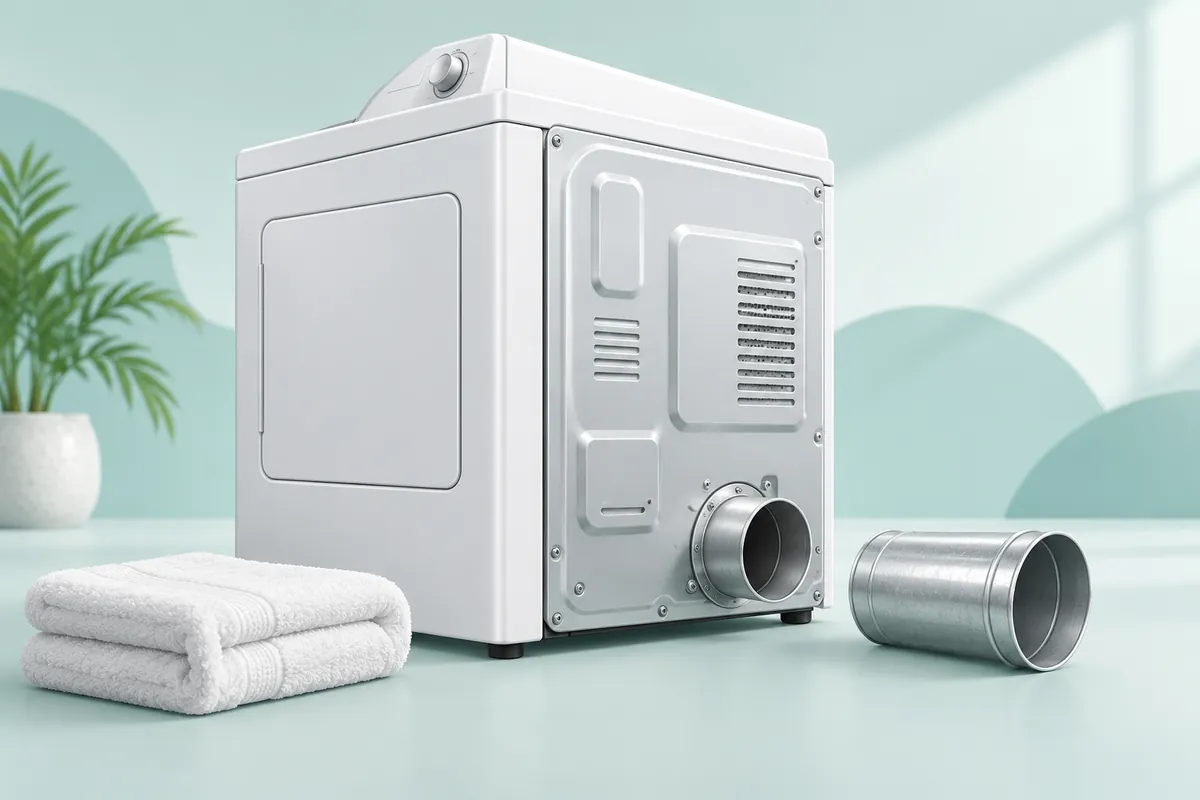
Dryer vent cleaning in a rental home can sit in the gray area between tenant convenience and property maintenance. The renter notices the dryer taking too long. The landlord wants to avoid unnecessary service calls. The property manager wants documentation. Meanwhile, the towels are still damp and nobody is enjoying the process.
For rental dryer vent cleaning Port St. Lucie properties, the best approach is simple: know what symptoms matter, decide who approves the service, and keep the communication in writing. This is not glamorous property management. That is probably why it works.
Why dryer vents matter in rentals
A rental dryer may be used by different people with different laundry habits. One tenant cleans the lint screen every time. Another overloads towels and hopes physics will be flexible. A previous occupant may have left the dryer pushed too close to the wall, crushing the transition hose. Over time, lint and poor airflow can turn into slow drying complaints.
For landlords, dryer vent cleaning is part of keeping the property functional. For renters, it is part of having laundry that works as expected. When the vent is restricted, the dryer may heat but still leave clothes damp. The laundry area may become hot or humid. Normal loads may need extra cycles, which wastes time and irritates everyone equally.
What renters should report
Renters should report repeated symptoms, not one unusual load. A single oversized bedding load may need more time. But if normal loads take longer than they used to, towels stay damp after a full cycle, or the laundry room gets unusually hot, the landlord or property manager should know.
Useful details include the type of load, the cycle used, whether the lint screen was cleaned, and whether the dryer heats. If the renter can safely see the exterior vent from the ground, they can mention whether the flap moves while the dryer runs. They should not climb, remove covers, disconnect gas appliances, or make building changes. The lease is rarely improved by amateur duct surgery.
What landlords should clarify
Landlords should decide ahead of time who handles dryer vent cleaning and how tenants request it. If the rental includes a dryer, maintenance responsibility may be different than if the tenant owns the appliance. The lease and local property management policies should guide the decision.
It also helps to document the vent layout. Note whether the dryer exits through a side wall, roof, garage wall, or shared exterior area. If the property is a condo or townhome, the association may control exterior access. That information saves time when a tenant reports slow drying.
When service makes sense
Dryer vent cleaning makes sense when symptoms repeat after basic laundry habits are addressed. The lint screen should be cleaned. The dryer should not be overloaded. The transition hose should not be visibly crushed behind the machine. If those basics are covered and the dryer still performs poorly, the vent path should be checked.
For landlords with multiple properties, it may also make sense to schedule cleaning between tenants when dryer performance is unknown. Move-in and move-out periods are already full of small maintenance items. Adding the dryer vent to the list can prevent a complaint during the first week of a new tenancy.
Property managers should keep it boring and documented
Good rental maintenance is mostly documentation. Keep the tenant complaint, approval, service date, and any notes about access. If the vent exits through a roof or association area, record that too. If the dryer itself later needs appliance repair, the file will show that the vent was addressed first.
This protects both sides. The renter can show they reported a real issue. The landlord can show they responded. The property manager can avoid reconstructing the story from three texts and a voicemail. Thrilling? No. Useful? Absolutely.
Local pricing and scheduling details
Air Duct Cleaning PSL provides dryer vent cleaning for Port St. Lucie and Treasure Coast homes, including rental properties. The company is family-owned, licensed and insured, and publicly represented by Jeff. Dryer vent pricing is $125 for single-story service and $175 for two-story service.
Hours are Monday through Saturday, 8AM-5PM, with Sunday closed. Same-day availability may be possible depending on the schedule. Air Duct Cleaning PSL has a 5.0 rating with 47 Google reviews. Call (772) 237-0018 to discuss the property layout and access.
A simple rental workflow
Renters should report repeated slow drying with clear details. Landlords should confirm appliance ownership, lease responsibility, and access. Property managers should document the complaint and schedule service when the pattern points to airflow. Everyone should avoid DIY work that creates damage or liability.
Dryer vent cleaning is a small maintenance item until it is ignored long enough to become a recurring complaint. If a Port St. Lucie rental has damp clothes, hot laundry conditions, or repeated slow-dry reports, call Jeff at Air Duct Cleaning PSL at (772) 237-0018. A straightforward vent cleaning conversation is usually the cleanest first step.